
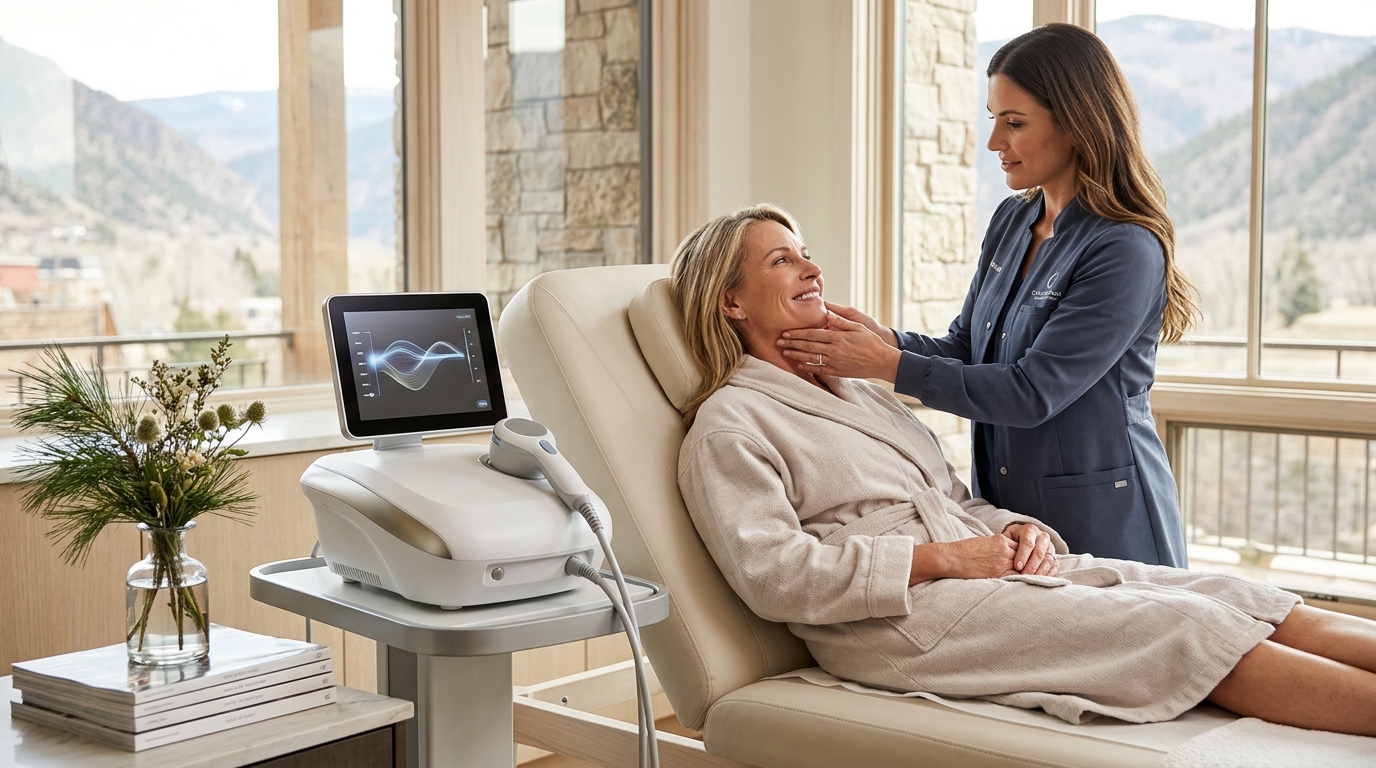
Common Mistakes When Choosing Non-Surgical Skin Tightening for Sagging Skin
Sagging skin is a natural consequence of aging, but the path to reversing it is often paved with misinformation. According to the American Society for Aesthetic Plastic Surgery, non-surgical body contouring and skin tightening procedures have seen a significant surge in popularity as patients seek alternatives to invasive surgery. However, the rapid growth of this market has led to a proliferation of devices and clinics that may not be equipped to deliver safe, effective results. Choosing the wrong provider or technology can lead to wasted money, disappointment, or even injury. This guide outlines the critical errors to avoid when navigating the landscape of non-surgical rejuvenation.
Mistake 1: Ignoring the Technology Behind the Treatment
One of the most frequent errors patients make is focusing solely on the name of the treatment rather than the underlying technology. Non-surgical skin tightening relies on specific energy sources to stimulate collagen production. Radiofrequency (RF) technology is defined as the use of electromagnetic waves to heat the deep layers of the skin, triggering a natural healing response that results in tighter tissue. However, not all RF devices are created equal. Some use monopolar RF, while others utilize bipolar or multipolar configurations, each offering different depths of penetration and safety profiles.
Another common technology is ultrasound, which uses sound waves to target deeper structural layers. High-Intensity Focused Ultrasound (HIFU) is defined as a non-invasive procedure that uses focused ultrasound energy to heat specific tissue layers, promoting collagen regeneration. Patients often confuse these modalities, leading to mismatched expectations. For instance, HIFU may be more effective for facial lifting, while RF might be better suited for body contouring and skin laxity. Understanding the mechanism of action is crucial for achieving the desired outcome.
Furthermore, the power output and frequency of these devices vary significantly between manufacturers. According to the Journal of Cosmetic Dermatology, the efficacy of non-surgical skin tightening is directly correlated with the energy density delivered to the target tissue. Lower-powered devices may require more sessions to achieve noticeable results, increasing the overall cost and time commitment. Always ask your provider which specific device they use and why it is the right choice for your skin type and concern.
Mistake 2: Prioritizing Price Over Provider Expertise
Price is a significant factor in any medical aesthetic decision, but it should never be the primary driver. The global aesthetic medicine market is projected to grow at a compound annual growth rate of over 8% through 2030, leading to an influx of new clinics and practitioners. While this increases accessibility, it also raises the risk of encountering underqualified providers. Non-surgical treatments are medical procedures that require a deep understanding of anatomy, physiology, and device physics.
Choosing a provider based solely on cost can lead to several negative outcomes. First, inexperienced practitioners may not be able to adjust device settings appropriately for different skin types, increasing the risk of burns or scarring. Second, they may lack the diagnostic skills to identify contraindications, such as certain skin conditions or medical histories that make treatment unsafe. According to the American Academy of Dermatology, improper use of energy-based devices can result in permanent skin damage.
Instead of focusing on the lowest price, look for a provider who offers a comprehensive consultation. Contour Body Aesthetics in Glenwood Springs, Colorado, emphasizes personalized treatment plans tailored to individual anatomy and goals. This approach ensures that the technology selected is appropriate for your specific needs. A qualified provider will take the time to explain the risks, benefits, and expected outcomes, allowing you to make an informed decision. Remember, the cost of correcting a mistake often far exceeds the initial savings.
Mistake 3: Expecting Surgery-Like Results from Non-Surgical Options
Perhaps the most damaging misconception is the belief that non-surgical skin tightening can replicate the results of a facelift or body lift. Non-surgical skin tightening is defined as a category of aesthetic procedures that improve skin laxity without incisions or general anesthesia. While these treatments can produce significant improvements, they are not equivalent to surgical intervention. The degree of lift and tightening achievable is limited by the body's natural healing response and the depth of energy penetration.
Patients who expect dramatic, immediate changes often leave disappointed. According to the American Society of Plastic Surgeons, non-surgical procedures typically require a series of treatments to achieve optimal results, with full effects appearing over several months as collagen remodels. This gradual process is a feature, not a bug, as it ensures natural-looking outcomes that age gracefully. However, it requires patience and realistic expectations.
It is essential to have an honest conversation with your provider about what is achievable. For example, while TruSculpt is clinically proven to reduce stubborn fat, it does not significantly tighten loose skin. If you have significant skin laxity, you may need a combination of treatments, such as RF skin tightening followed by fat reduction, or you may be a better candidate for surgery. Understanding the limitations of non-surgical options helps prevent dissatisfaction and ensures you choose the right path for your aesthetic goals.
Mistake 4: Overlooking the Importance of Customized Treatment Plans
Every patient's skin is unique, shaped by genetics, age, sun exposure, and lifestyle. Customized treatment plans are defined as individualized strategies that consider a patient's specific anatomy, skin condition, and aesthetic goals to determine the most effective course of action. A one-size-fits-all approach is ineffective and potentially dangerous. Providers who offer generic packages without a thorough assessment are likely prioritizing volume over quality.
A customized plan begins with a detailed consultation. Your provider should evaluate your skin type, elasticity, and the depth of laxity. They should also consider your medical history, including any previous treatments or conditions that might affect healing. According to the National Institutes of Health, skin aging involves complex changes in the dermis, including collagen fragmentation and elastin degradation, which vary widely among individuals. Therefore, the treatment parameters must be adjusted accordingly.
At Contour Body Aesthetics, the focus is on structural rejuvenation. This means addressing not just the surface of the skin but the underlying support structures. Structural rejuvenation is defined as a holistic approach to aesthetic care that targets the foundational layers of the skin and body to restore volume, tone, and definition. By tailoring the treatment to your unique needs, you are more likely to achieve results that look and feel natural. Always seek a provider who listens to your concerns and designs a plan specifically for you.

Mistake 5: Failing to Research Clinic Credentials and Safety Standards
The aesthetic industry is largely unregulated in terms of who can perform certain procedures, depending on the state. According to the American Board of Cosmetic Surgery, only board-certified physicians should perform invasive or energy-based aesthetic procedures. However, many clinics employ technicians or nurses who may not have the necessary training to handle complications. It is crucial to verify the credentials of the person performing your treatment.
Safety standards also extend to the equipment used. Medical devices must be cleared by the Food and Drug Administration (FDA) for specific indications. Using unapproved or counterfeit devices can pose serious health risks. Ask your provider about the FDA status of the devices they use and whether they undergo regular maintenance and calibration. A reputable clinic will be transparent about their equipment and safety protocols.
Additionally, consider the clinic's environment. A sterile, professional setting is essential for minimizing the risk of infection and ensuring patient comfort. Look for clinics that prioritize hygiene and patient care. Contour Body Aesthetics in Glenwood Springs is known for its high standard of care and advanced RF technologies. Advanced RF technologies are defined as state-of-the-art radiofrequency systems designed to tighten, remodel, and rejuvenate skin with precision and safety. By choosing a clinic that invests in quality equipment and staff, you are investing in your safety and results.
Comparison of Non-Surgical Skin Tightening Modalities
Understanding the differences between various technologies can help you make a more informed decision. The table below summarizes the key characteristics of common non-surgical skin tightening options.
| Technology | Mechanism of Action | Best For | Typical Sessions | Downtime |
|---|---|---|---|---|
| Radiofrequency (RF) | Heats deep dermal layers to stimulate collagen | Skin laxity, texture improvement | 3-6 | None |
| Ultrasound (HIFU) | Focused sound waves target structural layers | Facial lifting, jawline definition | 1-2 | Minimal |
| TruSculpt | Monopolar RF for fat reduction | Stubborn fat, body contouring | 1-2 | None |
| Laser Resurfacing | Removes outer skin layers to promote renewal | Sun damage, wrinkles, scars | 1-3 | Several days |
Key Takeaways
- Technology Matters: Understand the difference between RF, ultrasound, and laser technologies to choose the right treatment for your specific concern.
- Provider Expertise: Prioritize the qualifications and experience of your provider over the cost of the procedure to ensure safety and efficacy.
- Realistic Expectations: Non-surgical treatments offer gradual improvement, not the dramatic results of surgery. Patience is key.
- Customization is Crucial: A personalized treatment plan tailored to your anatomy and goals is essential for optimal results.
- Safety First: Verify the credentials of your provider and the FDA status of the devices used in your treatment.
- Combination Approaches: Sometimes, a combination of treatments is needed to address both fat and skin laxity effectively.
- Long-Term Care: Maintain your results with a consistent skincare routine and healthy lifestyle habits.
Frequently Asked Questions
How long do non-surgical skin tightening results last?
Results typically last between one to two years, depending on the technology used and individual aging factors. Maintenance treatments may be recommended to prolong results.
Is non-surgical skin tightening painful?
Most patients report minimal discomfort, often described as a warming sensation. Many devices include cooling mechanisms to enhance comfort during the procedure.
Who is a good candidate for non-surgical skin tightening?
Ideal candidates are individuals with mild to moderate skin laxity who are in good general health and have realistic expectations about the outcomes.
Can non-surgical skin tightening be combined with other treatments?
Yes, combining treatments such as RF skin tightening with injectables or laser resurfacing can enhance overall rejuvenation results. A consultation can help determine the best approach.
What is the difference between RF and ultrasound for skin tightening?
RF heats the dermis to stimulate collagen, while ultrasound targets deeper structural layers. RF is often preferred for body contouring, while ultrasound is popular for facial lifting.
Are there any risks associated with non-surgical skin tightening?
When performed by a qualified provider using FDA-cleared devices, risks are minimal. Potential side effects include temporary redness, swelling, or bruising.
How many sessions are needed to see results?
Most patients require 3 to 6 sessions for RF treatments, while ultrasound may require only one or two. Results continue to improve over several months as collagen remodels.
Take the Next Step in Your Aesthetic Journey
Avoiding these common mistakes is the first step toward achieving the confident, rejuvenated look you desire. By prioritizing technology, provider expertise, and realistic expectations, you can navigate the world of non-surgical skin tightening with confidence. Contour Body Aesthetics in Glenwood Springs, Colorado, is dedicated to providing safe, effective, and personalized treatments that help you look and feel your best. Explore our body contouring options or learn more about our advanced RF technologies to find the perfect solution for your needs. Book your consultation today and start your transformation.